

Soil contamination testing
Accredited sampling and assessment of land surface contamination before a purchase or the start of a project.
Learn more


Vicesima Wrocław — soil testing and remediation in Poland
We are an environmental company based in Wrocław. We test soil and groundwater for contamination, clean up contaminated land and prepare the documentation the authorities require — across the whole of Poland.
We work where the condition of the ground translates into money and deadlines: when land is bought, a plant is acquired, a building permit is applied for, an uncontrolled spill occurs, or a decision imposes monitoring obligations. Soil contamination testing is carried out with accredited sampling, in line with the regulation on the assessment of land surface contamination — because only such results carry evidential weight in administrative proceedings.
Where testing shows exceedances, we take the case further: we prepare the remediation plan, agree it with the regional director of environmental protection and supervise soil remediation until the target is confirmed as met. This is complemented by environmental monitoring, geological, environmental and fire safety documentation and HSE outsourcing with training on the VITRIX platform.
What does Vicesima do?
Vicesima Sp. z o.o. is an environmental company based in Wrocław, Poland, operating since 2009. It delivers accredited soil and groundwater contamination testing, remediation of contaminated land, geological, environmental and fire safety documentation, and HSE outsourcing — for industry, developers and SMEs across Poland.
See how we can help your company
-

Soil contamination testing
Boreholes, accredited sampling and assessment of land surface contamination.
-

Water contamination testing
Groundwater and surface water monitoring, piezometers, reporting.
-
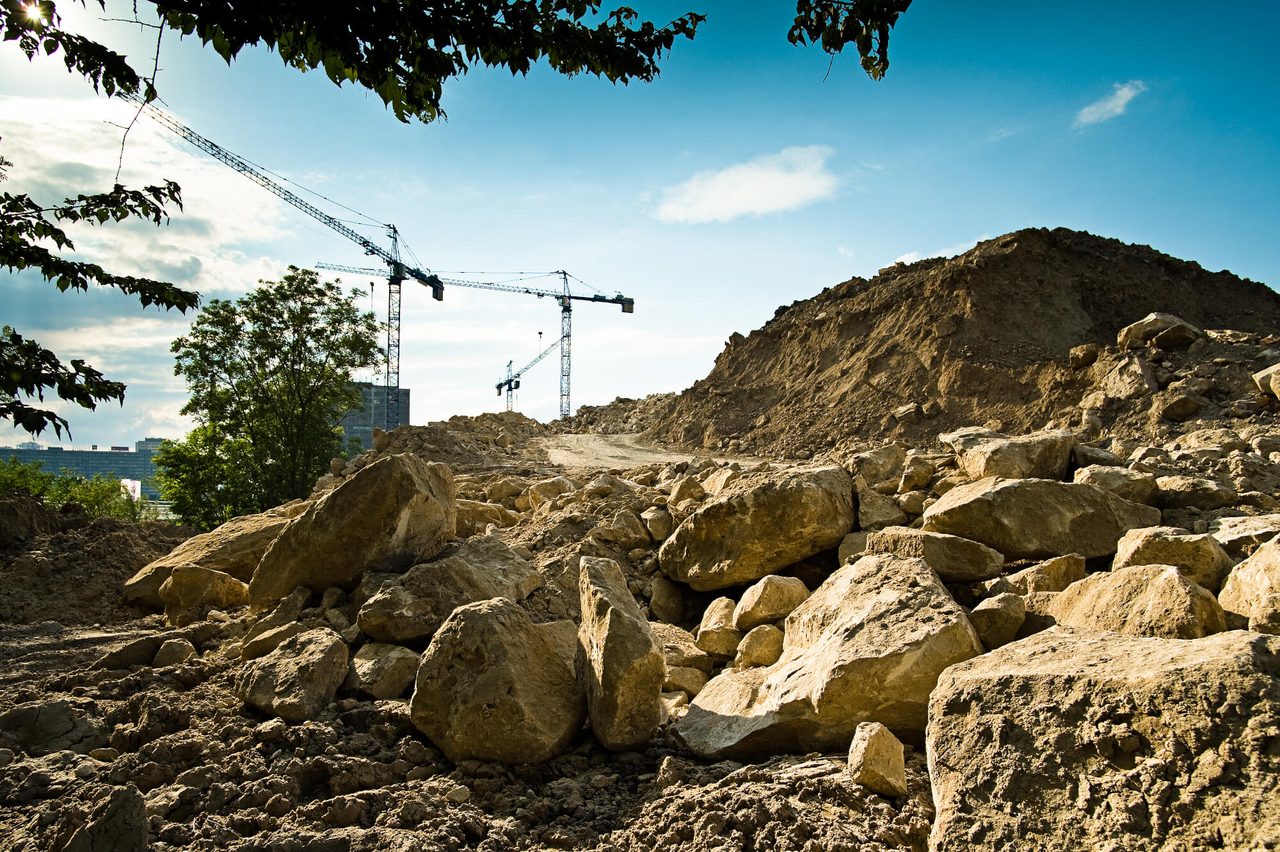
Soil and land remediation
Design and delivery of clean-up works on contaminated sites.
-

Geological, environmental and fire safety documentation
Geotechnical opinions, hydrogeological documentation, project information sheets.
-
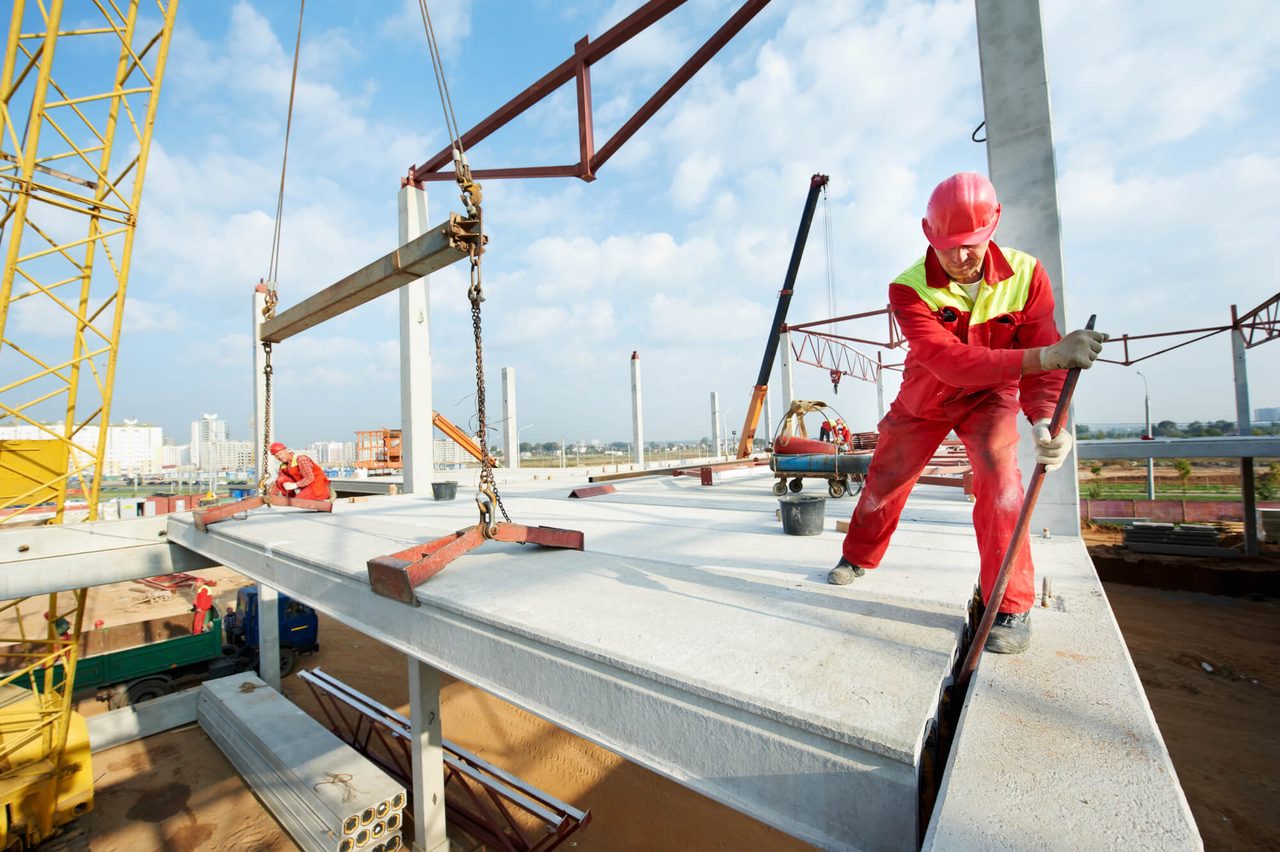
HSE outsourcing
OHS service, harmful factor measurements, risk assessment, training.
-

VITRIX platform
Online HSE training and team competence management.
From the first phone call to the closing decision
We run the project end to end — we do not leave clients holding test results and wondering what comes next.
-
01
Scoping and quote
We discuss the site, its history and the purpose of the investment. On that basis we define the scope of testing the regulations require and prepare a free quote — without extending the scope beyond what is needed.
-
02
Fieldwork
We carry out the boreholes and accredited sampling of soil and water. Samples are described and delivered to an accredited laboratory whose results carry evidential weight in proceedings.
-
03
Analysis and documentation
We interpret the results, compare them against the permissible content of risk-causing substances and prepare the study — from a geotechnical opinion to a remediation plan.
-
04
Approvals and delivery
We handle the administrative approvals on the client's behalf and, in remediation projects, supervise the works with ongoing control sampling until the agreed target is confirmed.
Vicesima is a team of specialists
in environmental protection, occupational safety, risk analysis, technical audits and geology. We support our clients with up-to-date technology in everything we do.
Read more about usA fresh approach to cooperation, specialist support and the professionals who make up our team are what stands behind the brand. We were the first organisation in Poland to offer a dedicated package of services for industrial companies and for small and medium-sized businesses.
We successfully deliver advisory and training projects as well as environmental testing of soil and groundwater — primarily for the presence of contamination. Working with an accredited environmental laboratory, we carry out soil and groundwater remediation throughout Poland. Building on modern IT solutions, we provide HSE services that support safety management systems.
We have delivered projects in:

Vicesima in numbers
-
16 years
of our specialists’ experience
-
2558 metres
of boreholes drilled
-
668 projects
successfully completed
-
2357 people
trained through VITRIX
Who typically needs us
We work mainly with corporate clients planning industrial and construction investments.
-
Developers and investors
Checking a plot before the transaction and preparing the site for construction — particularly where production or service activity took place there before. See soil contamination testing.
-
Production plants
Groundwater monitoring required by administrative decisions, assessment of installation impact, adapting procedures to the law, and HSE services. See industry and infrastructure.
-
Filling stations and logistics
Response after an uncontrolled spill, control testing and remediation of land contaminated with petroleum substances.
-
SME sector
Waste management, environmental charges and documentation for smaller companies without an in-house environmental team. See small and medium business.
-
Contractors and designers
Geological support for investments — foundation conditions, ground and water conditions and assessment of soil parameters during construction.
-
Companies acquiring plants
Environmental due diligence to ESA and HSEDDA standards — valuing the liabilities that pass to the buyer along with the property.
Experience recognised with prestigious awards and references
-

Best Contractor HSSE Performance 2011
International award from Royal Dutch Shell, received in Copenhagen in 2012.
-

Business Gepard 2015
Title granted by the European Business Institute after reviewing 15,325 companies.
-

Effective Company 2016
Recognition for profitability among 70,000 Polish companies analysed.
Frequently asked questions
Testing is carried out before buying a plot, before starting a project and when the use of a site changes — particularly for post-industrial land. Under the Regulation of the Minister of the Environment of 1 September 2016 on land surface contamination assessment (Journal of Laws 2016, item 1395), it is the only way to document the condition of the ground at the time of purchase. The land owner is the party primarily responsible for removing contamination.
A geotechnical survey answers whether a building can safely be founded on the ground in question — it establishes the geological profile, the groundwater level and the bearing capacity. Contamination testing establishes what is in the ground: soil and water samples go to a laboratory, where petroleum substances and heavy metals are the primary focus. These are two different studies, although they are often carried out from the same borehole.
Remediation means treating soil, ground and groundwater to remove or reduce risk-causing substances, so that the site no longer poses a threat to human health or to the state of the environment. The obligation rests with the party in control of the land surface — even where it did not cause the contamination. That is why testing before purchase is a financial safeguard, not merely a formality.
Reclamation is the broader concept: restoring useful or natural value to land by shaping the terrain, regulating water conditions, rebuilding the soil layer and introducing vegetation. Remediation is narrower and concerns the removal or control of harmful substances — but it also covers groundwater and surface water, which reclamation does not.
Contamination of the land surface is treated as historical if it occurred before 30 April 2007 or results from activity concluded before that date, and likewise damage to the environment caused by an emission or event more than 30 years ago. The distinction matters in practice because it determines the procedure that applies and who is responsible for the clean-up.
Fieldwork on a typical plot usually takes a single day. The laboratory accounts for most of the elapsed time — chemical analysis results normally take from about two weeks to several weeks depending on the range of determinations. We confirm the timescale with the quote, so that it fits the project schedule.
Yes. Sampling and analysis are carried out together with an accredited environmental testing laboratory, following reference methodologies. Accreditation is what gives the results evidential weight in administrative proceedings — the Environmental Protection Law expressly requires emission measurements to be performed by an accredited laboratory.
Yes. Since 19 September 2020, following the amendment to the Construction Law, every architectural and construction design must include a geotechnical opinion — including for single-family houses. In geotechnical category I archival data can sometimes be used, but not every plot has been surveyed before.
No. A local groundwater monitoring network is not mandatory equipment for industrial facilities — its scope follows from the specific administrative decisions in force. Where ground and water conditions allow, the scope can be optimised, which reduces the cost of installing piezometers and of the analyses that follow.
The Project Information Sheet (KIP), environmental impact assessment (EIA), Environmental Site Assessment (ESA), Health & Safety Environmental Due Diligence Assessment (HSEDDA), the Remediation Action Plan (RAP), remediation completion reports, local groundwater monitoring programmes, fire safety instructions and explosion protection documents.
Partly. The regulation on training in occupational health and safety was supplemented in 2007 to allow guided self-study based on materials supplied by the organiser, in particular using the internet. The workstation briefing nevertheless remains an on-site activity. We deliver the remote part on our VITRIX platform.
Our registered office is in Wrocław and our operations office, together with the equipment base, is in Kiełczów just outside the city. We deliver projects throughout Poland — including in the Lower Silesian, Pomeranian, Lublin, Masovian and Subcarpathian regions — and we have also worked abroad.
Need a quote for testing or remediation?
Describe the site and the planned investment — we will prepare a free quote and advise which scope of testing the regulations require.